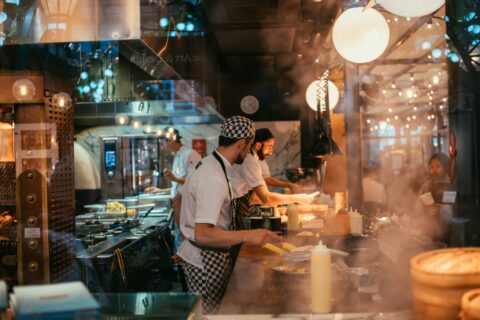
Effective temperature control is an integral element of food safety.

Done correctly, temperature control will help preserve stored food and help prevent food poisoning. With an estimate of more than 4 million food borne illnesses cases per year in Australia, knowing your safe food temperatures is super important.

This is the quick and practical guide to safe food temperatures.

Please note this guide is general information only and follows the Australia New Zealand Food Standards Code. Requirements can vary between states and territories, so confirm the specific rules for your business with your state food authority or local council.
The temperature danger zone
Bacteria that cause food poisoning multiply fastest between 5°C and 60°C. This range is known as the temperature danger zone. As much as possible, temperature control aims to keep food out of this zone.
Safe cooking temperatures
Harmful bacteria are generally destroyed at temperatures of 60°C or higher. However, it is recommended that any potentially hazardous food is cooked until the centre reaches at least 75°C.

Colour and smell are not reliable indicators that food has been cooked all the way through. A browned chicken breast can still be undercooked in the middle. The only way to know a food has reached a safe temperature is to measure the centre with a clean probe thermometer.
What are potentially hazardous foods?
Foods normally considered to be potentially hazardous are:
-
raw meats, cooked meats and food containing meat, such as casseroles, curries, lasagne and meat pies
-
dairy products and foods containing dairy products, such as milk, cream, custard and dairy-based desserts
-
seafood (excluding live seafood) and food containing seafood, such as seafood salad
-
processed fruits and vegetables, such as prepared salads and ready-to-eat fruit packs
-
cooked rice and pasta
-
processed foods containing eggs, beans, nuts or other protein-rich food, such as quiche and soya bean products
-
foods that contain any of the above foods, such as sandwiches, rice salads and pasta salads.
Cold storage and display
Cold potentially hazardous food needs to stay at 5°C or below.
In a café setting, the items to watch include:
-
Pre-made sandwiches, wraps, and rolls containing meat or soft cheese
-
Milk, cream, and other dairy
-
Cut fruit and prepared salads
-
Anything sitting in a chilled cabinet or display fridge
To keep cold storage reliable, it’s recommended that you don’t overload fridges, since packing them tightly stops cold air circulating, keep doors closed as often as possible, and to check your fridge and display temperatures regularly. Don’t assume the dial is displaying the temperature correctly, always double check.
Dry goods and ingredients are lower risk, but still benefit from being sealed in airtight containers. This keeps out moisture, which can otherwise lead to mould growth.
Hot holding and display
Food that's cooked and then held for service, for example a hot cabinet or a pie warmer, must stay at 60°C or above.
As with cooking, don't rely on how the food looks or how warm the cabinet feels. Check hot-holding units with a thermometer, and if food has dropped below 60°C, the 2-hour/4-hour rule determines whether it can still be used.
The 2-hour / 4-hour rule
In a real kitchen, food can't always be kept perfectly hot or cold, sandwiches sit on the counter, platters go out for service, or deliveries wait to be unpacked. The 2-hour/4-hour rule tells you what's safe when potentially hazardous food has been sitting in the danger zone:
-
Under 2 hours — refrigerate it or use it.
-
Between 2 and 4 hours — use it immediately. Don't put it back in the fridge.
-
Over 4 hours — throw it out.
The times are cumulative across the whole day, not per sitting, so a sandwich that spent an hour out at breakfast and two more hours out at lunch has used three of its four hours. Tracking that is much easier when staff label and time food that's out of temperature control.
Cooling food safely
Cooling is one of the riskiest steps in any kitchen, because hot food has to pass right back through the danger zone on its way to the fridge.
The Australian cooling rule breaks this into two stages:
-
Cool food from 60°C down to 21°C within 2 hours
-
Then from 21°C down to 5°C within a further 4 hours
Some suggestions on how to hit those targets:
-
Instead of leaving a large hot pot on the bench, divide it into smaller or shallower containers
-
Stir liquids like soups or sauces
-
Use an ice bath if necessary
-
Avoid sealing or stacking hot containers
Reheating
When reheating food, heat it to at least 75°C to kill any bacteria that may have grown during storage. As a rule, reheat food once only.
Receiving and transporting deliveries
Temperature control starts before food even reaches your kitchen. When deliveries arrive, check them:
If food arrives outside these ranges, reject it rather than risk it. When you're transporting food yourself use insulated containers and keep an eye on temperatures along the way.
Using a thermometer correctly
Every number above is only useful if you can measure it accurately so do yourself a favour and get a probe thermometer. A few basics:
-
Probe into the centre or thickest part of the food, away from bone
-
Clean and sanitise the probe between different foods to avoid cross-contamination
-
Calibrate the thermometer regularly so its readings stay accurate
Keeping temperature records
Logging your fridge, freezer, and hot-holding temperatures each shift does two things. It gives you evidence that you're managing food safety properly and it helps you catch equipment problems early, before a failing fridge turns into a batch of spoiled stock. A quick daily log is one of the easiest habits to build and one of the most valuable.

Knowing these temperatures is the foundation of safe food handling but in most Australian food businesses, someone also needs formal responsibility for making sure they're followed every day. That's the role of a trained Food Safety Supervisor.

Explore our Food Safety Supervisor courses: