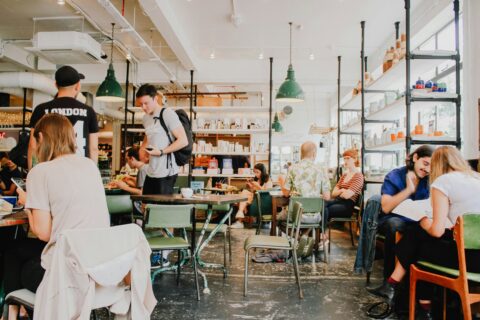
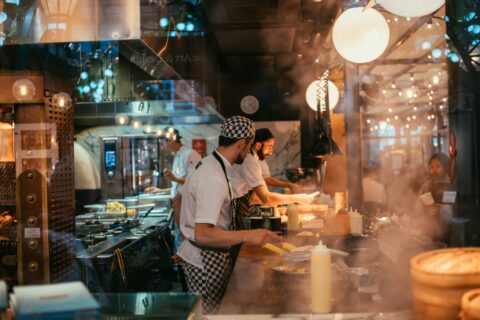
The household budget may be under interrogation, but apparently the flat white still has a very good lawyer.

New figures from the Australian Bureau of Statistics show that household spending increased by 1.1% in July 2026, marking the third consecutive monthly rise. Spending was also 7% higher than in July 2025.

Hospitality shared in the growth. National spending across hotels, cafés, and restaurants rose by 1.1% during July, while Queensland recorded an even stronger increase of 1.6%. Every state and territory reported growth in the category.

ABS Head of Business Statistics Tom Lay said, “This was the third consecutive monthly rise in household spending, led by recreation and culture, food, hotels, cafés and restaurants, and health.”

For an industry that has spent much of the past few years navigating rising costs and cautious customers, the figures offer some welcome encouragement. Australians are still making room for meals out, catch-ups over coffee, weekends away, and the occasional drink that someone else has to wash the glass for.

However, the numbers need some perspective. The ABS data measures spending at current prices, meaning part of the increase may reflect higher menu prices rather than more people walking through the door. Stronger spending does not automatically mean stronger margins, particularly when wages, ingredients, rent, insurance, and energy costs remain high.

It does suggest that hospitality still matters to Australian consumers, but customers are becoming more selective about where they spend.

Those details become especially important when dining out is treated as a considered purchase rather than an everyday habit. A delayed meal, an indifferent welcome, or an order mistake may feel more significant when the customer has carefully chosen where to spend their money.

The latest figures are positive, but they are not permission to coast. Customers are still going out; they simply want the experience to justify the bill. Australians have not fallen out of love with hospitality; they have just become harder to impress.